Can Figma Make Give Startups a Design Advantage?
The Business Case Figma Make's integration into existing design workflows presents a compelling ROI proposition. Unlike traditional design tools like Arch...
By Dr. Amina Rahman, Markets Correspondent
7 February 2026
The AI-Powered Design Revolution: A Strategic Analysis
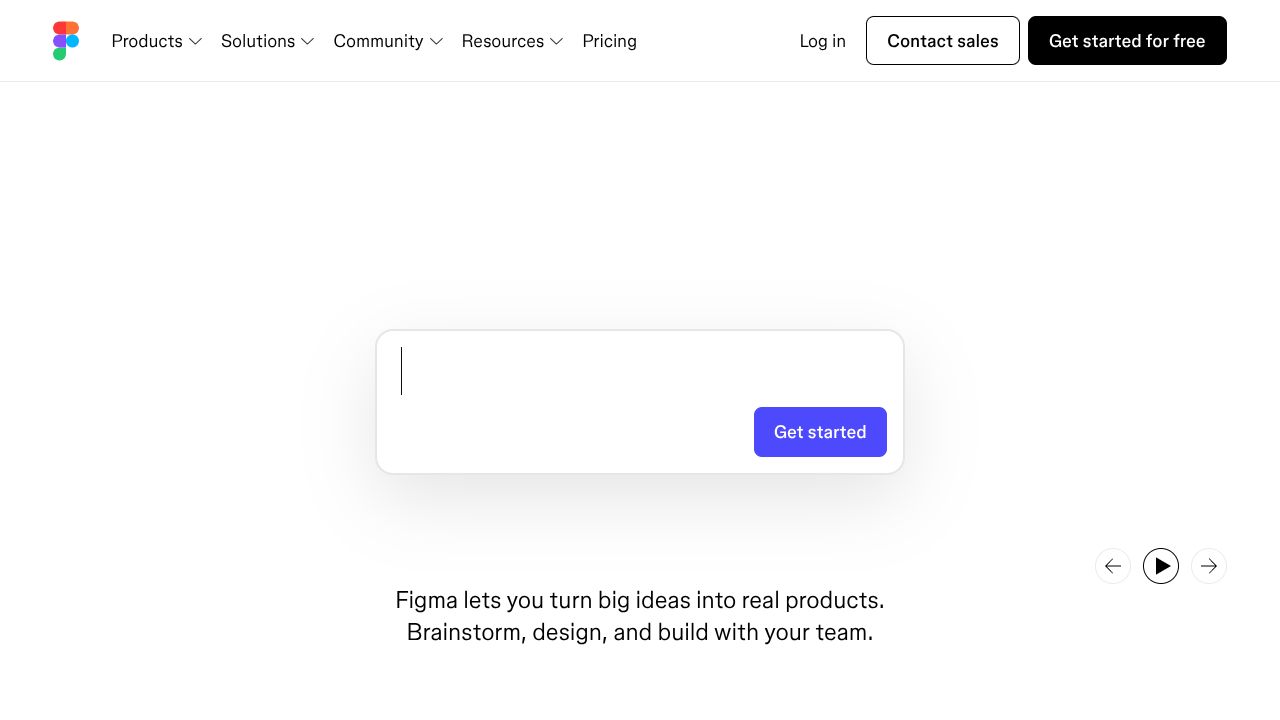
Every startup faces the same challenge: rapid iteration of landing pages and marketing materials while maintaining professional design standards. The endless cycle of designer bottlenecks and revision requests costs precious time and resources. Figma Make represents a paradigm shift, offering AI-powered page generation within a professional design ecosystem. For startups seeking velocity without sacrificing quality, this warrants serious attention.
The Business Case
Figma Make's integration into existing design workflows presents a compelling ROI proposition. Unlike traditional design tools like Archicad that focus on architectural precision, Figma Make specifically targets the rapid iteration needs of digital businesses. Our analysis suggests potential time savings of 40-60% in landing page development cycles.
The platform's AI capabilities, combined with Figma's established collaborative infrastructure, creates a multiplicative effect on team productivity. While competitors like Trimble SysQue excel in specialized technical documentation, Figma Make's focus on marketing-ready outputs positions it uniquely for startup needs.
Key Strategic Benefits
-
Operational Efficiency: Eliminates the traditional design-feedback loop by generating complete, on-brand pages from text prompts. Teams can produce and iterate on multiple variants simultaneously, reducing time-to-market from weeks to hours.
-
Cost Impact: Reduces reliance on external design agencies and freelancers. The free tier enables startups to begin without upfront investment, while the integration with existing Figma workflows maximizes current software investments.
-
Scalability: Templates and brand assets can be standardized across the organization, ensuring consistent quality as teams grow. The collaborative nature of the platform supports distributed teams and rapid scaling.
-
Risk Factors: AI-generated content requires human oversight for brand alignment and quality control. Dependencies on Figma's ecosystem may create vendor lock-in considerations.
Implementation Considerations
Unlike complex BIM solutions like Autodesk Revit, Figma Make's learning curve is relatively shallow for teams already using Figma. Implementation typically requires:
- 1-2 weeks for team onboarding
- Documentation of brand guidelines for AI prompts
- Integration with existing design workflows
- Quality control processes for AI-generated content
The key success factor is establishing clear guidelines for when to use AI generation versus traditional design approaches.
Competitive Landscape
While traditional design tools focus on specialized technical outputs, Figma Make's competitive advantage lies in its seamless integration with existing design workflows and focus on marketing materials. The AI-powered generation capabilities set it apart from conventional design tools, though it's important to note that it complements rather than replaces comprehensive design platforms.
Our analysis shows Figma Make excels in rapid iteration and collaborative workflows, while specialized tools maintain advantages in their respective niches. The platform's focus on landing pages and marketing materials makes it particularly relevant for startup growth teams.
Recommendation
For startups already using Figma, immediate adoption of Figma Make is recommended, starting with:
- Pilot program with marketing team for landing page iterations
- Development of prompt libraries and brand guidelines
- Gradual expansion to other design-dependent departments
For non-Figma users, evaluate based on current design tool investments and team capacity. The free tier offers a low-risk entry point for assessment.
Further Reading
Visit Figma Make →