AI Solved the Code: Why Human Pentesting Is Now More Critical
The Business Case For startup leaders navigating enterprise sales and regulatory scrutiny, the calculus is straightforward: prevent high-severity producti...
By Dr. Amina Rahman, Markets Correspondent
28 March 2026
AI already fixed your code bugs. The breach will come from everything else.
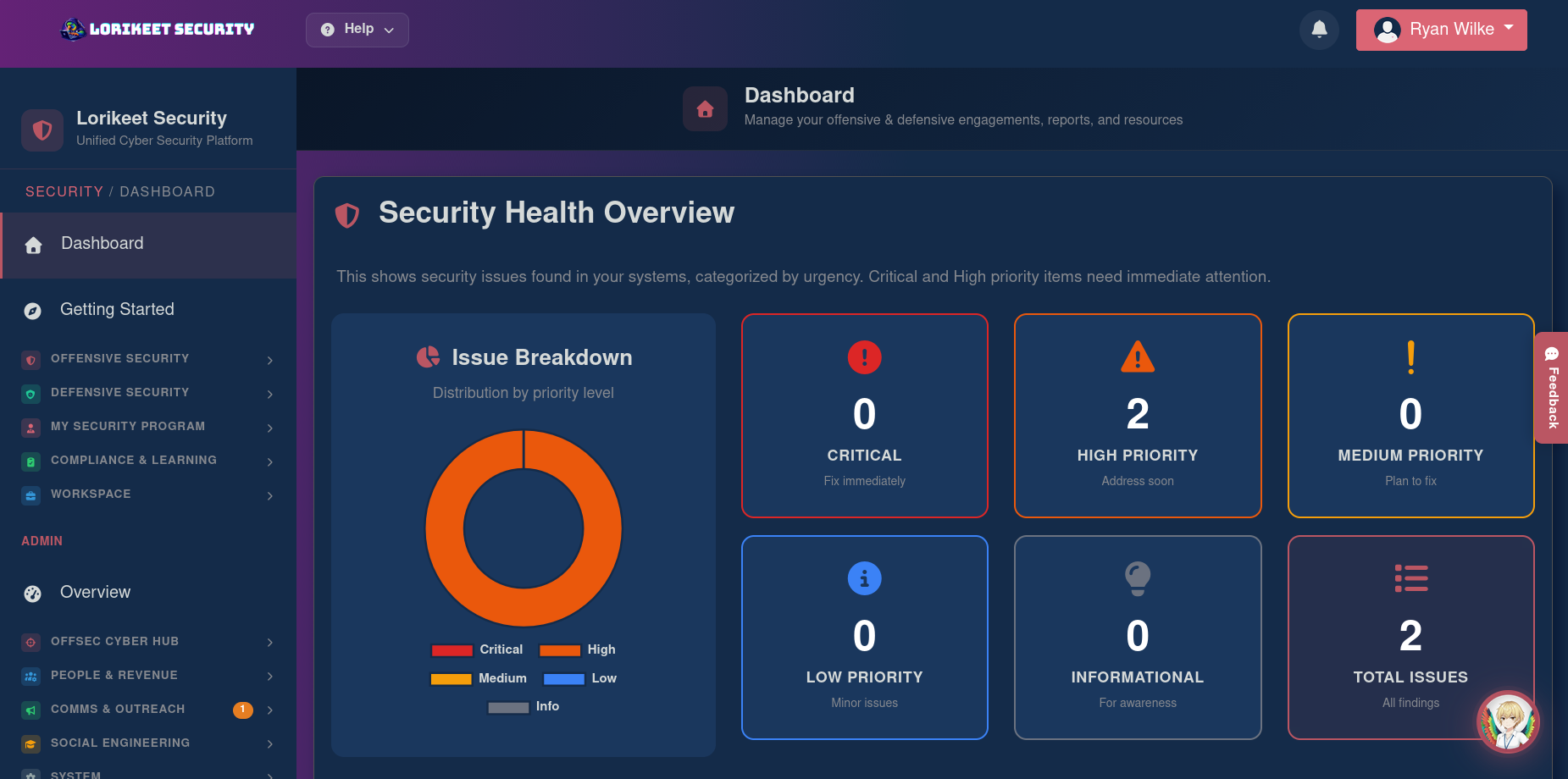
The Lorikeet Security Case Study matters because it quantifies a counterintuitive truth: AI-assisted code review is real security progress—and it makes manual pentesting more valuable, not less. After Flowtriq used Claude to eliminate source-level flaws (XSS, SQLi, template injection, weak crypto), Lorikeet’s human-led test still surfaced five additional issues across runtime, infrastructure, and configuration. Bottom line: in an AI-native stack, residual risk now concentrates where machines have the least context—precisely where expert offensive validation pays off.
The Business Case
For startup leaders navigating enterprise sales and regulatory scrutiny, the calculus is straightforward: prevent high-severity production incidents, accelerate compliance, and shorten sales cycles. The data shows that global average breach costs remain material (IBM Cost of a Data Breach 2024 estimates in the multi-million-dollar range), while buyer security questionnaires have become gating items for revenue. Lorikeet—founded in 2021, with 170+ engagements and a PTaaS delivery model—positions manual pentesting where AI tools are structurally blind: session edge cases, TLS posture, file-system hygiene, and reverse-proxy headers. That complements, rather than competes with, Claude, Cursor, and Copilot.
In our analysis, this dual-track model (AI review + targeted human testing) is a pragmatic route to reduce total cost of security without sacrificing depth. It also maps cleanly to SOC 2, HIPAA, PCI-DSS, HITRUST, and FedRAMP evidence needs, creating a defensible narrative for diligence and procurement. For Funding News and Founder Profiles audiences, it’s a market signal: startups that operationalize this blend de-risk faster and win enterprise trust sooner.
Key Strategic Benefits
-
Operational Efficiency: Lorikeet’s PTaaS portal centralizes live findings, real-time chat, and integrated reporting, compressing the back-and-forth that typically slows remediation. Direct developer-to-tester feedback loops cut retest cycles and reduce the “ticket ping-pong” that inflates engineering costs.
-
Cost Impact: Avoiding even one high-severity production incident can offset multiple test cycles; the case study’s two High findings would have escaped purely code-based audits. Consolidating pentest, attack surface management, vCISO, and SOC-as-a-Service reduces vendor sprawl and duplicative spend.
-
Scalability: As AI-accelerated release cadences increase change velocity, continuous Attack Surface Management catches drift between formal tests. The model scales across web, API, mobile, network, and cloud targets, aligning with multi-product growth and multi-geo compliance demands.
-
Risk Factors: Over-reliance on a portal doesn’t replace the need for precise scoping and strong data-handling protocols (e.g., PII in test data). The efficacy hinges on engineering time for fixes; under-resourced teams risk “finding fatigue” without a remediation plan and SLA discipline.
Implementation Considerations
Most startups can reach value in 4–6 weeks. Week 1–2: scope definition (assets, environments, test data strategy), control mapping to compliance needs, and integration setup (ticketing in Jira/Linear, Slack/Teams channels, artifact access). Week 2–4: execution of manual testing plus live triage; prioritize exploitable findings with clear proof-of-concept to minimize noise. Week 4–6: remediation, retest, and report finalization aligned to auditor and buyer evidence requirements.
Resource-wise, designate a security owner (Head of Eng or vCISO) and 1–2 engineering leads for rapid patching and retest windows. Integration is straightforward: connect CI/CD for read-only build artifacts, grant least-privilege cloud and reverse-proxy visibility, and stage realistic data in non-prod where possible. Change management matters: convert severity ratings into sprint-ready tasks, set time-bound SLAs (e.g., High within 7–14 days), and track closure rates as a core KPI. For teams already using Claude/Copilot, maintain AI code QA but explicitly budget manual testing for runtime and configuration classes.
Competitive Landscape
Compared to PTaaS marketplaces like Cobalt and crowd platforms such as Synack and Bugcrowd, Lorikeet’s differentiation is AI-native positioning: it targets the “post-AI” residual risk categories where LLM-based code analysis stalls. Versus enterprise consultancies like Bishop Fox, NetSPI, NCC Group, and Praetorian, Lorikeet competes on speed-to-insight, integrated ASM, and startup-fit pricing while still meeting SOC 2/HIPAA/FedRAMP evidence standards. Trail of Bits is strong for deep protocol/cryptography and embedded; Rapid7 and Tenable excel in vulnerability management but are not a substitute for hands-on adversarial testing. Developer-first tools like Snyk or GitHub Advanced Security remain essential for SDLC coverage; Lorikeet layers on the runtime/infrastructure lens the Flowtriq study made visible.
Reference: Lorikeet’s Flowtriq case study (https://lorikeetsecurity.com/blog/flowtriq-case-study-ai-audit-pentest-gap) demonstrates five net-new findings after an AI audit—two High, one Medium, two Low—in categories automation missed.
Recommendation
- Adopt a dual-track security model: keep AI code review; add Lorikeet-style manual pentesting focused on runtime, infra, and configuration.
- Time pentests 4–6 weeks before major releases or SOC 2/HIPAA audits; budget retest cycles.
- Bundle Attack Surface Management and vCISO to reduce vendor sprawl; set SLA-backed remediation targets.
- Executive KPI set: High/Medium time-to-remediate, % findings closed pre-audit, attack-surface drift rate, and sales-cycle acceleration tied to security questionnaire pass rates. For VC Insights and Market Analysis readers: treat this as a measurable revenue enabler, not a cost center.
Further Reading
Visit Lorikeet Security Case Study →